TRT and Muscle Growth of a man

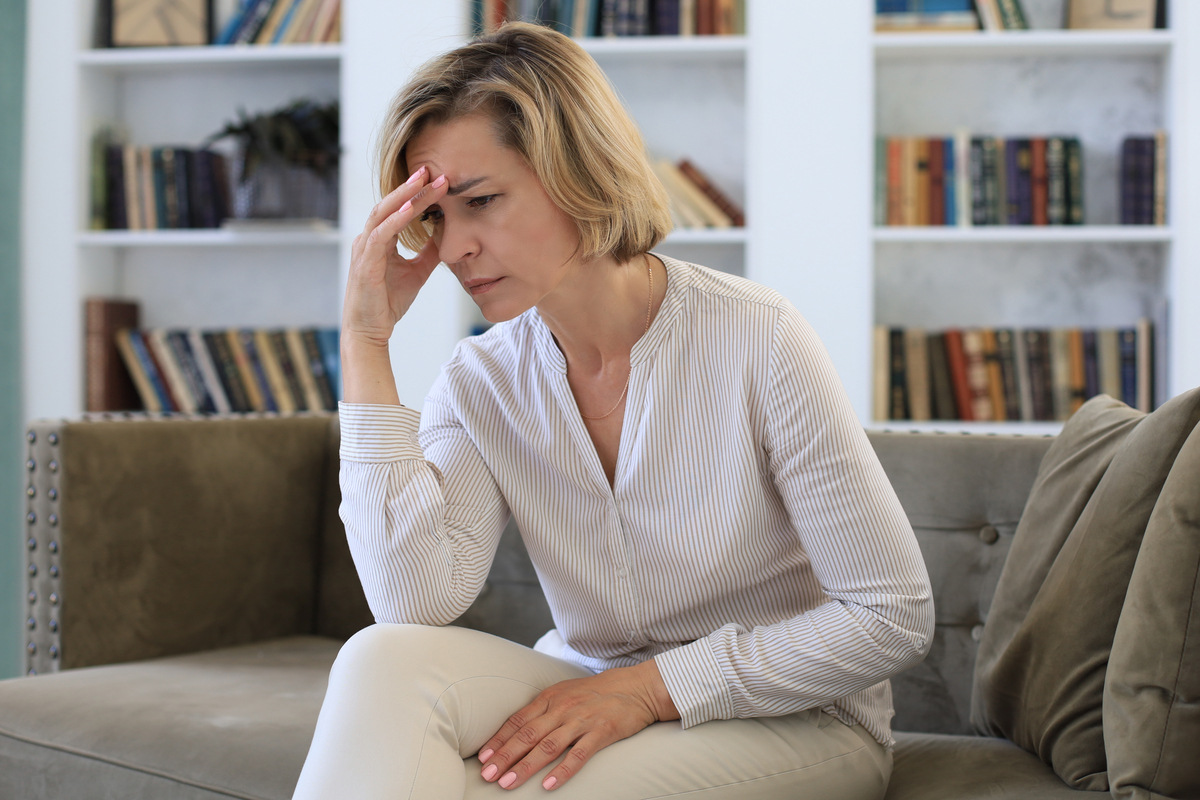
You are not imagining it. The sudden waves of anxiety, the irritability that seems to come from nowhere, the emotional sensitivity that feels completely out of proportion to what is actually happening in your life. For many women in perimenopause and menopause, these mental and emotional changes are just as disruptive as hot flashes and sleep disruption, and yet they are far less talked about. The connection between HRT and anxiety is well documented in clinical research, and understanding why hormonal decline affects your mood and emotional health is the first step toward finding real relief.

This guide explains exactly how estrogen and progesterone influence your mental health, what the research shows about hormone therapy as a treatment, and what you can realistically expect if anxiety and mood changes are driving your search for answers.

Why Hormonal Decline Causes Anxiety and Mood Changes

To understand why HRT and anxiety are connected, you first need to understand what estrogen and progesterone actually do in the brain. These hormones are not just reproductive. They are deeply involved in the regulation of mood, emotional stability, stress response, and cognitive function.

Estrogen and the brain. Estrogen plays a direct role in the production and regulation of serotonin, dopamine, and norepinephrine. These are the neurotransmitters most closely associated with mood stability, motivation, and emotional resilience. When estrogen levels drop during perimenopause and menopause, the brain’s ability to regulate these chemicals is disrupted. The result is often a heightened stress response, increased emotional reactivity, and a lower threshold for anxiety.

Progesterone and the calming system. Progesterone has a natural calming effect on the nervous system. It interacts with GABA receptors in the brain, which are the same receptors targeted by anti-anxiety medications. When progesterone declines, women often lose this natural buffer against stress and anxiety. Sleep disruption caused by low progesterone further amplifies mood instability and emotional reactivity.

The cortisol connection. Hormonal fluctuations during perimenopause also affect the HPA axis, which is the system that regulates your cortisol stress response. When estrogen and progesterone are fluctuating unpredictably, cortisol levels often become dysregulated as well, contributing to a heightened sense of anxiety, tension, and emotional overwhelm even in the absence of obvious external stressors.

Understanding these mechanisms makes clear why mood and anxiety symptoms during menopause are not a personal weakness or a mental health disorder. They are a physiological response to a significant hormonal shift. For more information on the full range of symptoms that hormonal changes can produce, visit our guide to HRT for women and hormone changes.

What the Research Says About HRT and Anxiety

The relationship between HRT and anxiety has been studied extensively, and the evidence supporting hormone therapy as an effective treatment for mood and anxiety symptoms in perimenopausal and menopausal women is substantial.

According to the Mayo Clinic, hormone therapy is recognized as one of the most effective treatments for the full spectrum of menopause symptoms, including mood disturbances, irritability, and anxiety. The relief that women experience from HRT is not simply a result of sleeping better or having fewer hot flashes. Estrogen has a direct effect on the neurological systems that regulate emotional health.

According to the National Institutes of Health, estrogen therapy has been shown to have antidepressant and anxiolytic effects in perimenopausal women, with studies demonstrating significant improvements in mood, anxiety levels, and overall psychological well-being in women who receive hormone replacement compared to those who do not. The effect is most pronounced in women who begin treatment during the perimenopausal transition rather than after menopause is fully established.

According to the Endocrine Society, the timing of HRT initiation matters significantly for mood outcomes. Women who begin hormone therapy earlier in the menopausal transition tend to experience greater and faster improvements in anxiety and mood than women who wait until later stages of hormonal decline. This is sometimes referred to as the window of opportunity for hormone therapy.

How HRT and Anxiety Relief Work Together

When estrogen and progesterone are restored to a healthy, balanced range through HRT, the mechanisms that were driving anxiety and mood instability begin to correct themselves. Here is how that process unfolds:

Neurotransmitter regulation improves. Restored estrogen levels support more consistent serotonin and dopamine activity. Women often describe this as feeling more like themselves emotionally, with a greater sense of baseline calm and reduced reactivity to everyday stressors.

The nervous system calms down. Progesterone restoration supports GABA receptor activity, reducing the neurological hyperreactivity that underlies anxiety. Many women notice that the sense of internal tension and unease that had become their new normal begins to ease within the first few weeks of treatment.

Sleep quality improves. Progesterone has a sedative quality that supports deeper, more restorative sleep. Because sleep deprivation is one of the most powerful amplifiers of anxiety and emotional instability, improvements in sleep often produce rapid downstream improvements in mood and anxiety levels.

Hot flashes and night sweats reduce. The physical experience of a hot flash activates the body’s stress response and can trigger or worsen anxiety symptoms. As vasomotor symptoms reduce with HRT, the physical stress load on the nervous system decreases, and anxiety often reduces alongside it.

Cortisol regulation improves. As estrogen and progesterone stabilize, the dysregulation of the stress response axis that was contributing to elevated anxiety begins to correct. Women often notice a meaningful reduction in the sense of being constantly on edge or easily overwhelmed.

What Symptoms Respond Best to HRT?

HRT and anxiety relief is not limited to a single type of emotional or mood symptom. Hormone therapy has been shown to help with a broad range of psychological and emotional changes associated with hormonal decline.

Symptoms that most commonly improve with HRT include:

  • Generalized anxiety and a persistent sense of unease or dread
  • Irritability and a shorter emotional fuse than is typical for you
  • Mood swings that feel sudden, intense, and disconnected from external events
  • Low mood, emotional flatness, or a loss of enjoyment in things that used to bring pleasure
  • Difficulty managing stress that previously felt manageable
  • Racing thoughts and an inability to wind down, particularly at night
  • Emotional sensitivity and crying more easily than usual
  • A sense of feeling overwhelmed by ordinary daily demands
  • Difficulty concentrating or a feeling of mental and emotional fog

It is worth noting that HRT is not a replacement for treatment of clinical depression or anxiety disorders. If your symptoms are severe, persistent, and significantly impairing your ability to function, a comprehensive evaluation that includes mental health support alongside hormonal assessment is the most appropriate approach. HRT addresses the hormonal component of mood changes. For some women, that alone produces transformative relief. For others, it works best as part of a broader treatment plan.

How Long Before You Notice Improvement?

Understanding the timeline for HRT and anxiety relief helps set realistic expectations and ensures you stay consistent with treatment long enough to experience the full benefit.

Here is what most women report:

  • Week 1 to 2: Some women notice early improvements in sleep quality and a slight reduction in emotional reactivity
  • Week 2 to 4: Mood begins to stabilize more consistently, irritability decreases, and anxiety feels less constant
  • Month 1 to 2: Most women notice meaningful improvement in anxiety levels, emotional resilience, and overall sense of well-being
  • Month 2 to 3: Full mood stabilization for most women, with anxiety reduced to a manageable level or resolved entirely
  • Month 3 to 6: Sustained emotional stability becomes the new baseline, with continued improvements in cognitive clarity and stress tolerance

Women who begin treatment in perimenopause, before full menopause is established, typically see faster and more pronounced mood and anxiety improvements than those who begin treatment later. If you are not noticing the expected improvements within the first two to three months, your dosage or protocol may need adjustment and a follow-up conversation with your provider is the right next step.

Who Is a Good Candidate for HRT for Anxiety and Mood Changes?

Not every woman who experiences anxiety is experiencing hormone-driven anxiety. However, if your mood and anxiety symptoms began or significantly worsened in your late 30s, 40s, or 50s and are accompanied by other hormonal symptoms, there is a strong likelihood that hormonal decline is a contributing factor.

You may be a good candidate if you are experiencing:

  • Anxiety or mood changes that began or worsened during perimenopause or menopause
  • Mood symptoms that are accompanied by hot flashes, night sweats, or sleep disruption
  • Irritability and emotional instability that feel physically driven rather than situationally triggered
  • A history of mood sensitivity around hormonal events such as PMS, postpartum, or birth control changes
  • Lab work showing low or declining estrogen and progesterone levels

A comprehensive blood panel is the starting point for any HRT evaluation. To learn more about what a personalized women’s hormone program looks like in Parker, CO, visit our hormone replacement therapy clinic page.


Frequently Asked Questions

For women whose anxiety is primarily driven by hormonal decline, HRT can produce dramatic and lasting relief. For women whose anxiety has multiple contributing factors, HRT addresses the hormonal component and often produces significant improvement, but additional support may be beneficial. The outcome depends on the individual clinical picture.

In most cases, yes. Women with pre-existing anxiety disorders who enter perimenopause often find that hormonal decline significantly worsens their symptoms, and HRT can be an important part of their management plan. Your provider will evaluate your full health history before recommending a protocol.

Some women do and some do not. For women whose mood and anxiety symptoms are primarily hormone-driven, HRT alone is often sufficient. For women with more complex presentations, a combination approach that includes mental health support may produce the best outcomes. This is a conversation to have with your provider based on your specific symptoms and history.

Hormone-related anxiety tends to emerge or worsen in conjunction with other menopause symptoms and hormonal changes. It often has a physical quality, such as a sense of internal tension, racing heart, or a feeling of dread without a clear cause. Clinical anxiety disorders have a longer history and are not necessarily tied to hormonal transitions. Many women experience both, and a thorough evaluation helps identify which factors are at play.

If you tried HRT without improvement, it is worth revisiting the protocol. Dosage, delivery method, and hormone combination all affect outcomes. Other hormonal factors such as thyroid function, cortisol, and DHEA can also blunt the mood benefits of estrogen and progesterone if they are out of balance. A thorough re-evaluation with an experienced hormone provider is the best next step.

Conclusion

The anxiety and mood changes you are experiencing are not a sign that something is wrong with you mentally. For many women in perimenopause and menopause, they are a direct result of the neurological effects of hormonal decline. HRT and anxiety relief are connected through a clear and well-researched physiological pathway, and restoring estrogen and progesterone to a healthy range gives your brain back the tools it needs to regulate mood, manage stress, and maintain emotional stability.

If you are in Parker, CO or the surrounding area and want to explore whether hormonal decline may be contributing to your anxiety and mood changes, Apex Hormone Health is here to help. Reach out to our team and we will walk you through your options in a way that feels right for you.

To learn more about our approach to women’s hormone health, visit our hormone replacement therapy services page.

Disclaimer: This content is for informational purposes only and is not intended as medical advice. Individual results vary. Hormone replacement therapy is a prescription treatment that requires a comprehensive medical evaluation, including lab work and a consultation with a licensed healthcare provider. Always consult a qualified medical professional before starting any hormone therapy program.